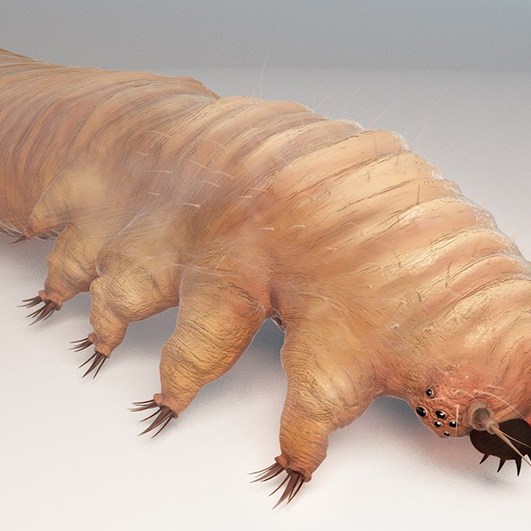
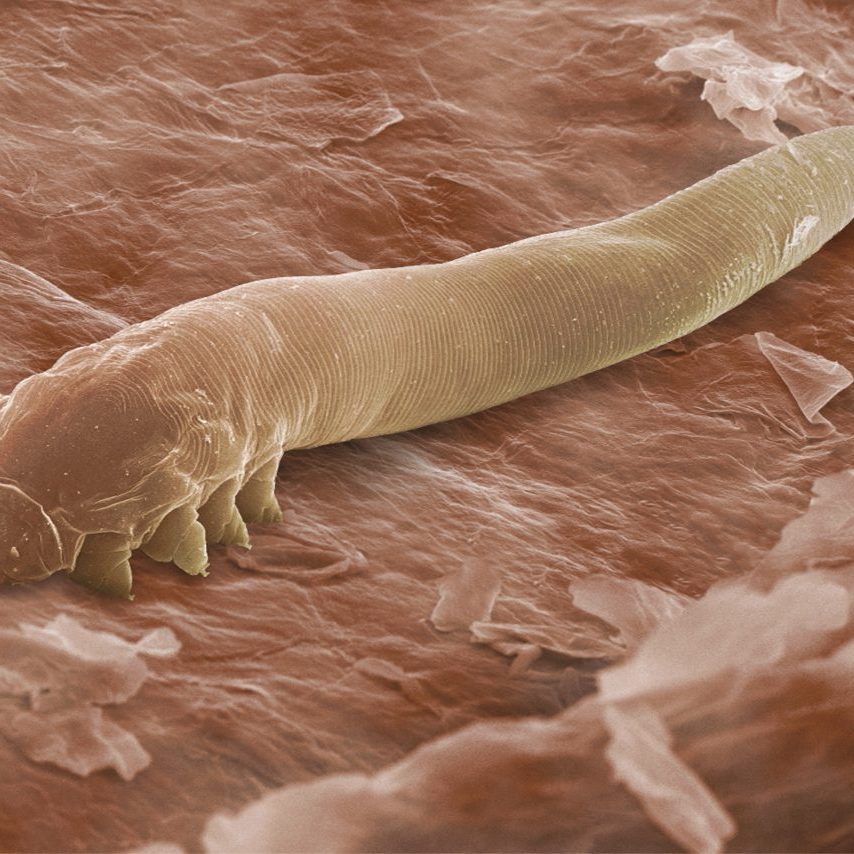
Demodex mites are essentially dust mites that live on human skin….ALL human skin. For those of us with rosacea, these mites can often trigger Type II Rosacea. Demodex seem to be attracted to rosacea skin, and often are seen in higher populations on the skin of those with rosacea. Demodex mites have a 3 week life cycle and when they die, they release a chemical which our sensitive skin often reacts to.
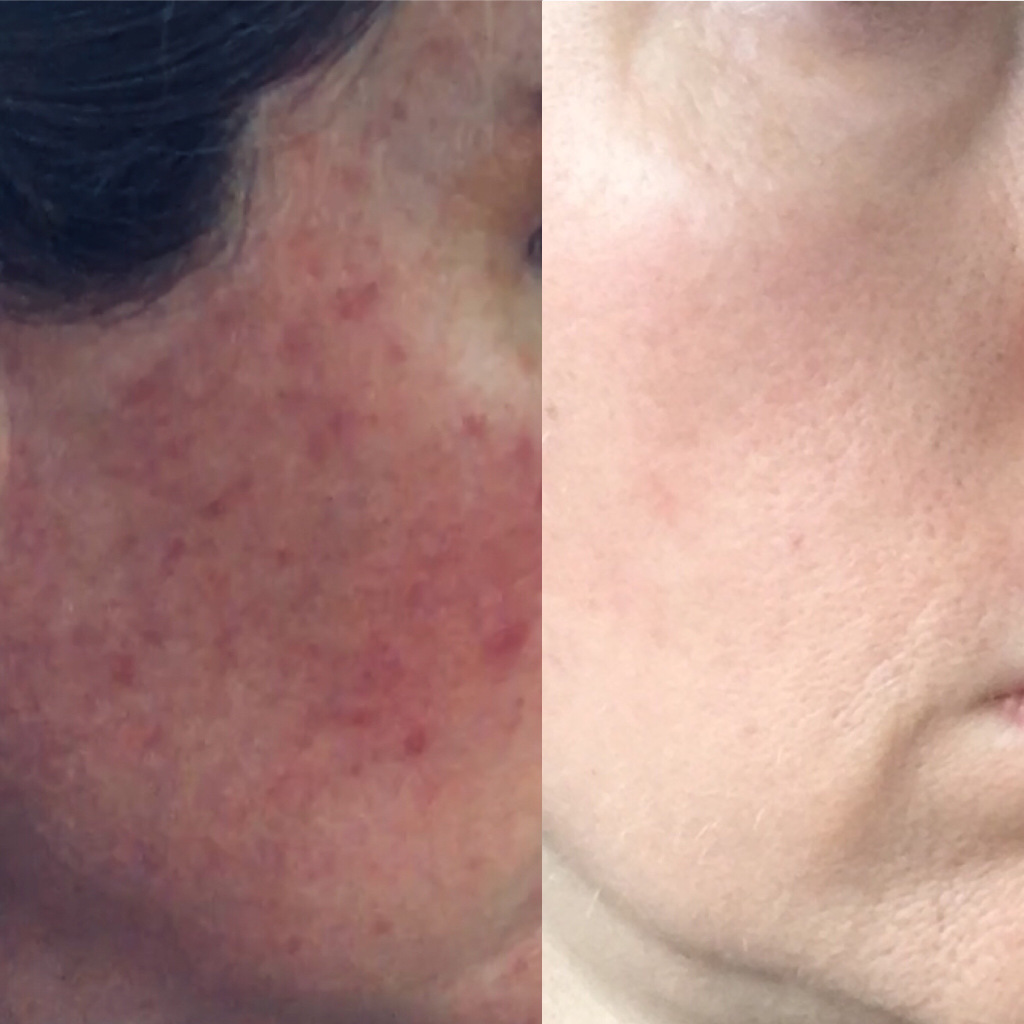
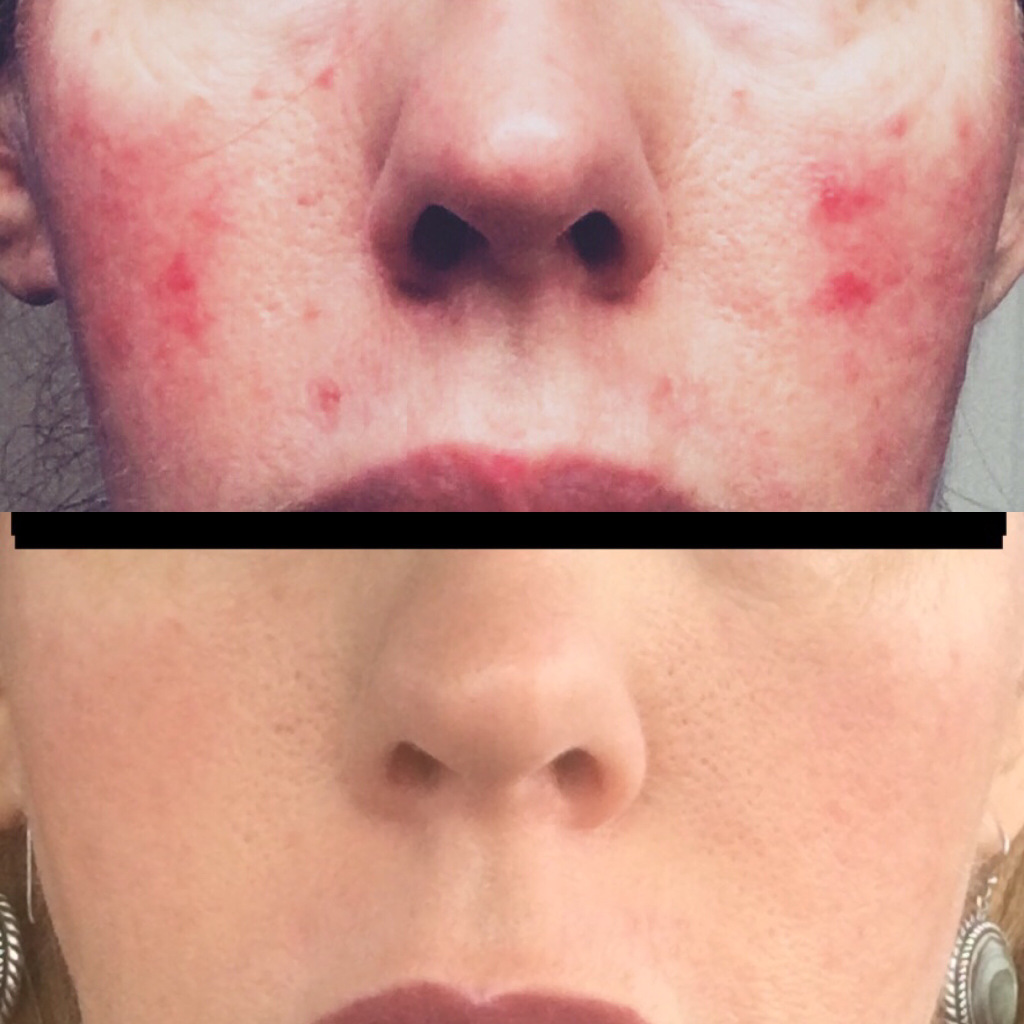
Type II Rosacea, characterized by papules, pustules, and a rough ‘sandpaper” texture, is often the result of demodex mite destruction. Certain medications such as Soolantra are now being prescribed with mixed reviews.
There are many natural, less expensive alternatives to pharmaceutical drugs. I personally had fantastic results, as have many patients I’ve worked with.
Complete demodex treatment involves more than just treating your face. I have developed a guide which will answer the following questions in detail:
- Am I dealing with a demodex mites issue?
- Will demodex mite treatment heal my rosacea?
- What is the best way to treat my skin safely and effectively?
- Are medications necessary or can this be treated naturally?
- Can ocular rosacea be helped by demodex mite treatment?
- Is it necessary to treat other parts of my body like scalp, eyebrows, etc.?
- Will demodex mites come back?
- Could demodex mites become a problem for others in my household?

Subscribe to get access
Read more of this content when you subscribe today.
Subscribe to get access to Demodex Mite Treatment Guide
Read more of this content when you subscribe today for $19.
Demodex Mite Treatment
Demodex mites were discovered in 1841 and are tiny little microscopic mites which live all over our bodies… all of us. This may seem gross but it’s not, it’s just part of our evolution and part of life. We never see them or know they are there. They eat our dead skin cells and for most of us never cause a problem. Many years ago, scientists discovered a connection between rosaceans and a higher population of demodex mites on their faces. The mites are not causing the rosacea, the rosacea appeared first (as Type I) and the mites may be complicating the issue, causing Type II. If you have Subtype II with red marks, papules, pustules, and enlarged pores, and itchy, dry eyes, chances are you would improve tremendously by controlling the mite population on your face.
While many people, including myself, have amazing success addressing the demodex mite population on their faces, there are dermatologists and medical doctors who don’t believe there is any correlation between rosacea and demodex mites. Unfortunately this leaves many people struggling for a solution, when it could be very easy. Please keep in mind that ANY demodex mite treatment works by killing the population of mites, and this may cause your rosacea to get worse before it gets better. (This did not happen to me.) Many people give up before giving the treatment a chance to work because if they see worsening at all, they panic and stop.
Am I dealing with a demodex mite issue?
Some signs of a demodex mite reaction are red dots or bumps upon waking, sandpaper feel to your skin, a sensation of something crawling on your skin at night, and Type II rosacea (papules and pustules.) Also cycles of worsening symptoms (often becoming worse every 3 weeks) are signs you may do well with a natural demodex mite treatment.
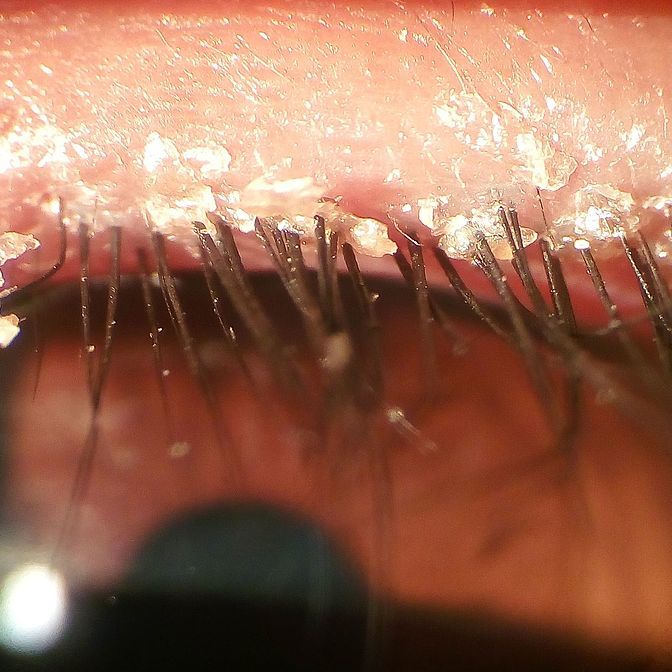
Ocular rosacea may accompany rosacea, and would include eye symptoms such as red eyes, itchy, eyes, dry eyes, blurry vision, and feelings of grains of sand in your eyes.
Will demodex mite treatment heal my rosacea?
Demodex mite treatment will likely NOT heal your rosacea. Rosacea comes from internal causes such as gut disturbances, a compromised liver, hormonal imbalances, a depressed immune system, chronic inflammation, etc. Treating the surface of your skin could help a lot with Type II Rosacea symptoms, but usually does not help with chronic redness and flushing characteristic of rosacea.
What is the best way to treat my skin safely and effectively?
In my experience, skin responds best to sulfur and ivermectin. Some have reported progress with colloidal silver but I have no experience with this treatment. Ivermectin can be found over the counter as Horse Paste. It can also be found in the prescription brand Soolantra. Sulfur is most often found in creams and soaps. There are many brands on the market, and I would suggest thoroughly exploring your options before trying or purchasing a sulfur product. If using a sulfur treatment such as a soap or cream, make sure the amounts are formulated correctly so as not to burn your skin. Sulfur treatment should NOT be applied to the delicate skin under the eyes. Sulfur should never be mixed at home or used carelessly. Always do a patch test on the inside of your wrist first to test for allergic reaction before applying to your face.
Topical demodex treatments work best when applied at night, right before bed to clean, moisturized skin. Often they dry out your skin so extra moisturizer is required.
Treatment Options
- For skin: Ivermectin, Soolantra, Sulfur Soap, Sulfur Cream, ZZ Cream (Zhong Zhou Cosmetic ZZ from Demodex Solutions)
- For hair: Tea tree oil shampoo, or Nizoral shampoo
- For bedding: Sprinkle Gold Bond Medicated Powder (with menthol) and change your pillowcase nightly
- For eyes: Ocusoft Oust Demodex Foam (See blog post on ocular rosacea)
- For nape of neck: add a drop of tea tree oil to your body moisturizer (don’t ever use tea tree oil on your face or eyes)
- For back/chest: tea tree oil soap, sulfur soap, charcoal soap, tea tree lotion
- MITES TEND TO MIGRATE. This means if you begin treating your face and eyes, you may want to also treat your hair, eyebrows and back/chest so they don’t relocate to those areas!!
- MITES HATE Menthol, Sulfur, Tea Tree Oil, Zinc.
Are medications necessary or can this be treated naturally?
For me and many others, medications were not necessary. The ZZ cream I used did a great job. For others, prescription Ivermectin may be more helpful. Just as people respond differently to different products and medications, some of these suggestions will work better for some then others. If you’ve never tried any type of demodex treatment, I’d start with the easiest/most natural, and go from there.
Can Ocular Rosacea be helped by demodex mite treatment?
The two conditions tend to go hand and hand. My ocular rosacea was 100% caused by demodex mites, but for some it’s more complicated. I personally believe many people diagnosed with ocular rosacea in fact have other medical conditions such as Botox poisoning which can cause the exact same symptoms. If your ocular rosacea began around the time of your Type II Rosacea, it’s fairly safe to say the two are related. An eyelid scrub/foam with melaleuca (tea tree oil) used at night before bed is often quite helpful.
Is it necessary to treat other parts of my body such as scalp, eyebrows, hairline, etc?
Since mites tend to migrate, it’s never a bad idea. I used Ocusoft foam on my eyelids and eyebrows, and used the sulfur cream all the way up to my hairline. I would also use a tea tree oil shampoo and tea tree lotion on the back of my neck. Some people also have back “acne” which can effectively be controlled by a sulfur soap and cream on this area as well.
What to expect
Most people will notice some improvement right away, but after two to three weeks, bumps, marks and pustules may be worse. This is NORMAL. This is the current population of mites dying, and releasing a chemical which either causes a pustule or red mark. The worsening symptoms usually last a few days, followed by several weeks of improvement. Then another die-off takes place. This may go on for up to four months. Each round of die-off is usually less intense. Your skin may dry out significantly, but this is usually temporary. You may need to take a night off from treatment or moisturize twice per day. If at any point you feel you are getting sore, swollen, sunburned or more red, take a day off or consult your PCP. For more detailed accounts of sulfur treatments, see Rosaceagroup.org.
Could demodex mites become a problem for others in my household?
Demodex mites definitly gravitate towards certain people, specifically those with rosacea. My husband and I have been married for 17 years and he’s never had a single bump, mark or redness on his skin. However if someone else in your household also has rosacea, there’s a chance the mites would be attracted to them sooner if you have close contact with this person. I’m also aware of a situation where a man with Type I Rosacea began driving his uncle’s car, and soon after developed a severe case of Type II. From what I was told, the car had never been cleaned and his uncle had quite advanced rosacea and other skin issues. Bottom line: if you have rosacea, you may develop Type II from close contact such as: sleeping on another person’s bedding, a hotel bed, a new apartment, someone else’s pillow, someone else’s makeup brushes, etc.
Will demodex mites come back?
After a full 4 months of treatment, the currently population of mites and eggs should be nonexistent. However, if you haven’t also addressed the underlying cause of your rosacea, (gut, liver, heavy metals, etc.) then there’s a good chance the mites could come back. For maintenance, you can continue to use your topical treatment once or twice a week. Many people do this for life and find significant relief in the papules, pustules, texture and ocular symptoms.
Some Notes about Zhong Zhou Cream
After starting ZZ cream, I noticed a positive difference in about three days. My skin stopped getting red bumps and the pores became smaller. My cheeks got smoother and the papules stopped. Over the next three weeks I continued to use it religiously and soon the sandpaper feel of my skin improved. The only issue I had with the cream was that it was extremely drying so I had to moisturize twice a day. If you choose to try a demodex mite treatment, be prepared to invest in a very hydrating moisturizer which DOES NOT have petroleum or mineral oil listed in the ingredients. If these products are in your moisturizer, the demodex cream will have difficulty penetrating your skin.
The main ingredient in ZZ cream is sulfur which is what kills the demodex mites, or at least reduces the population. It also contains zinc, lanolin, menthol and Chinese herbs. If you are allergic to sulfur, lanolin or zinc, obviously you would need to find another alternative. I am not recommending the Zhong Zhou treatment to anyone without first trying other medications approved by your dermatologist. Many people have contacted me to tell me their dermatologist doesn’t know what demodex mites are, and isn’t familiar with Soolantra. Again, this treatment worked for me, but it will not work for everyone, and you will have to decide for yourself (with the help of your doctor) if this approach may be right for you.
Zhong Zhou cream is NOT FDA approved I am in no way recommending this treatment without first discussing options with your personal physician.
 Rosacea Healing